Winter has already arrived in the Veľká Fatra Mountains and since most of us associate winter with feeding birds, we have prepared a few tips and advice for you on how, when, where and what to feed. And so that you don’t have to search for internet search engines and atlases, we also offer you a list of the most common species in the form of photos, which you can see on your feeders, or follow them with us using an online camera called songbirds II. You can also follow our feeder on the website kukaj.sk

When to start supplementary feeding?
The most common question that people turn to us with. The answer is simple – in times of need. But everyone can perceive it a little differently. In principle, however, we start feeding in the winter months and depending on the current weather conditions. When temperatures drop below zero, it snows or sleet forms, we can boldly start feeding and continue throughout the winter. However, even during winter, there are days when it gets warmer and thaw occurs. Then we can reduce the intensity of feeding, on the contrary, when severe frosts hit, we can make it a little easier for our feathered starves. Supplementary feeding of birds is primarily of educational importance, birds can survive the winter without the need for supplementary feeding. Of course, in critical situations, such as prolonged extreme frosts or ice on tree canaries, we can save the life of many a feathered visitor to the feeder. However, the rule is that winter is the best selection mechanism in nature. However, it is very important to mention the period when to stop supplementary feeding. Like most species of animals, songbirds that winter in our country get used to the simple way of obtaining food from feeders very quickly and can get a little “lazy”… Therefore, as soon as spring comes and the birds begin to sing, the days get longer, the snow melts, we stop refilling the feeders. Of course, titmouses, green, sparrows and other species would visit our feeder until the summer. However, this is not desirable because there are known cases when songbirds (especially titmouses) began to feed their young with sunflower seeds, and due to insufficient protein intake, they may eventually die, or they may develop certain deformities and deficiencies in development. So remember, let’s not spoil them too much, they can easily make their own money outside the winter season. 😀
Where to feed ?
The choice of the location where we place the feeder is also important. Let’s avoid the proximity of busy roads, large glass surfaces could be bumped into tame ones. And if we live in a block of flats, we also think about the neighbor below us. Feathered hungry birds can also bravely scatter 😀 If we have a feeder in the garden, it is also good that there are no bushes nearby or something that can provide cover for predators, especially cats. Birds, as they have a good view, gain an overview and easily avoid cats. If a sparrowhawk visits our feeder during the winter, I do not interfere in this happening. Small songbirds are its natural food, and the ecological mechanisms that operate in nature will never allow a predator to hunt its prey and thus endanger serious populations, in this case songbirds. The reproductive capacity of the blue is so great that it easily compensates for these losses during the breeding season. For comparison: The sparrowhawk nests only once a year and the number of young is usually from 3 to 5. The blue nests 2 times a year. In the case of replacement clutches, even 3 or more times in one year and in one clutch, she can have up to 16 eggs! Isn’t it an ingenious mechanism of nature?
What to feed ?
The best and most affordable commodity is sunflower. It doesn’t matter if it’s black or “brindle”. However, we can combine it into mixtures with other seeds, such as rapeseed, hemp seed, flaxseed, millet, wheat or poppy seeds. and woodpeckers also like nuts and tallow. Tallow is the best beef. Thrushes and crested animals will welcome apples. Sometimes we can be surprised by a visit by a “monkey” of our forests – the tree squirrel. If we want larger species of birds to appear on our feeder, we can offer them corn, which is an attraction for magpies and jays. However, never offer bread to birds, even if they eat it with gusto, we can cause them considerable problems. Bread ferments in the stomach of birds. We should also avoid salted or roasted nuts, or salty bacon skin.
Do you know our feathered hungry birds?
If we use a rich mixture of seeds, nuts, apples and other treats for birds, our feeder will be busy in no time. The view of it brings unforgettable and pleasant moments to nature lovers. For example, we can learn to recognize individual species. That’s why we’ve prepared a little help for you in the form of photos. You can always find the description below the photo.

White-faced ( large ) – Parus major

Jay – Garrulus glandarius

Great Spotted Woodpecker (male) – Dendrocopus major

Nuthatch – Sitta europaea

Bullfinch – Pyrrhula pyrrhula

Northern Crested – Bombycilla garrulus

Thrush – Turdus pilaris

Coccothraustes coccothraustes

Tree squirrel – Sciurus vulgaris

Black thrush – Turdus merula

Field sparrow – Passer montanus

Grey woodpecker – Picus canus

Goldfinch – Carduelis carduelis
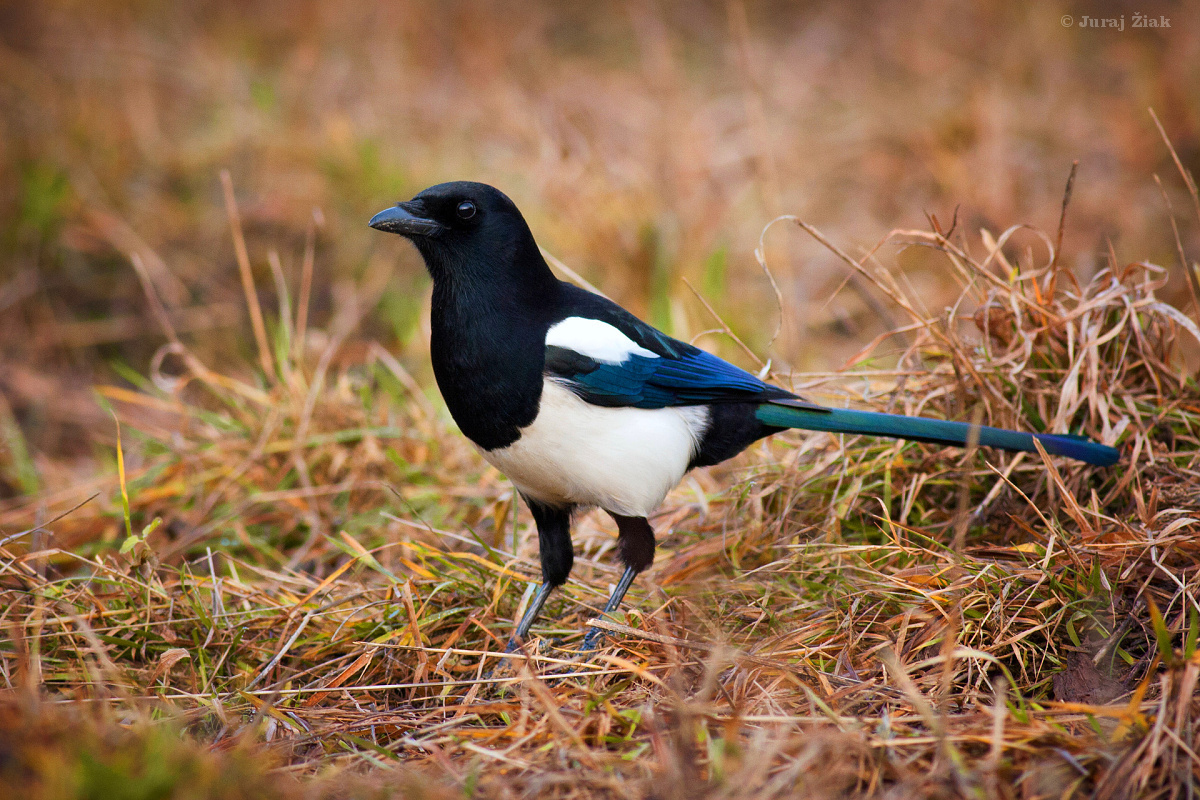
Black-billed magpie – Pica pica

Black-headed – Parus montanus

Blue – Parus caeruleus

Green goldfinch (greenfinch, male) – Carduelis chloris

Black-headed – Parus montanus

Blue – Parus caeruleus

Green goldfinch (greenfinch, female) – Carduelis chloris

Crested – Parus cristatus – a rare guest at feeders. 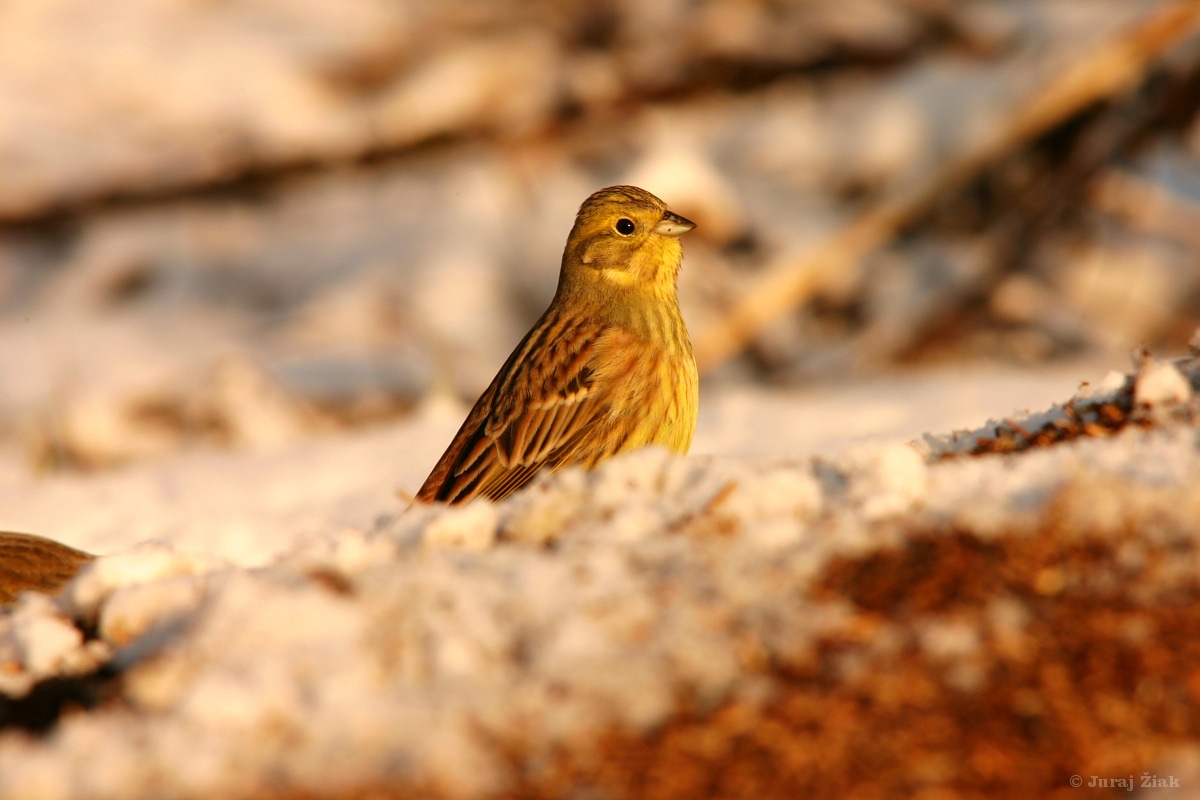
Yellow bunting – Emberiza citrinella

Goldfinch – Carduelis spinus

Charcoal – Parus ater

Charcoal – Parus ater

Coccothraustes coccothraustes

Green goldfinch (greenfinch, male) – Carduelis chloris

Nuthatch – Sitta europaea

Great Spotted Woodpecker (male) – Dendrocopus major

Bark beetle – Certhia familiaris

Hawk – Accipiter nisus is a frequent visitor to feeders, as a predator of songbirds.
Text and photos: Ing. Juraj Žiak
Administration of the Veľká Fatra National Park