INVASIVE PLANTS
A silent threat to our nature.
Invasive plants are a silent but serious problem in today’s landscape. At first glance, they may look inconspicuous, some even attractive – they have large colorful flowers or grow quickly, forming dense greenery. However, behind their beauty is often the ability to displace native plant species and disrupt the natural balance of ecosystems.
What are invasive plants?
These are non-native species that have entered the new environment due to humans – intentionally as ornamental plants, fodder crops or soil stabilizers, or unintentionally, for example, during the transport of goods. The problem arises when such a species begins to spread uncontrollably. Since it often has no natural enemies in its new environment, it can grow faster than native plants and gradually displace them.
Why are they dangerous?
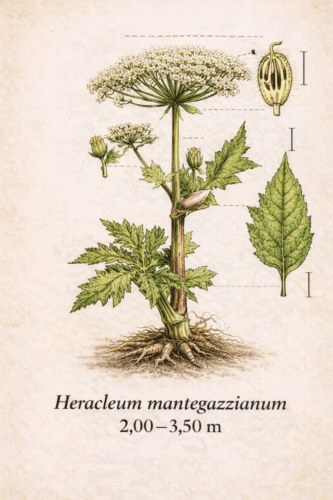
Invasive plants can significantly reduce biodiversity. In practice, this means that where a varied meadow once grew, only one species can now grow. Such a “monoculture” does not provide enough food for native species of insects and other animals. In addition, some invasive plants alter soil properties or water management. Others can be directly dangerous to humans. For example, giant hogweed contains substances that cause painful burns when in contact with the skin, especially if exposed to sunlight. Ragweed, on the other hand, is known to produce large amounts of allergenic pollen and aggravate the course of seasonal allergies.
How do they spread?
Many invasive species have extremely effective breeding strategies. They produce a huge number of seeds that can be carried over long distances by wind or water. Others are propagated using rhizomes – even a small piece left in the soil can grow into a new plant. An example is knotweed, which can grow through asphalt or damage the foundations of buildings.
The spread is often helped by humans, albeit unconsciously. Transferring soil, mowing without thoroughly cleaning the equipment or planting non-native species in gardens can contribute to their further spread into the wild.
Can they be combated?
Completely removing invasive plants is usually difficult and requires long-term effort. Prevention is the most effective – that is, to prevent new problematic species from entering the country in the first place. There are lists of plants that are forbidden to grow or spread. You can find them on the invazne.sopsr.sk website in the sections: Invasive species of the Slovak Republic, Invasive species of the EU, Alien species. In addition, you can read everything important about Slovak and European legislation on the site and you will find useful information materials there.
The public also plays an important role. When people choose native plant species for their gardens, they support local biodiversity while reducing the risk of invasive species escaping into nature. It is necessary to proceed with caution and follow the recommendations of specialists when removing, since improper interventions can aggravate the spread.
Why should we care?
A healthy landscape is not just an aesthetic value – it affects water quality, soil fertility and climate stability. Invasive plants are one of the causes of species diversity decline worldwide. Their control is therefore an important part of nature conservation.
Although it may seem that this is a problem far from everyday life, the opposite is true. Each of us can contribute to the protection of the local environment – all we have to do is be informed, choose plants for gardens responsibly and pay attention to what grows in our surroundings. Nature works as an interconnected system and even small changes can have a big impact.
Invasive species of herbs in Slovakia
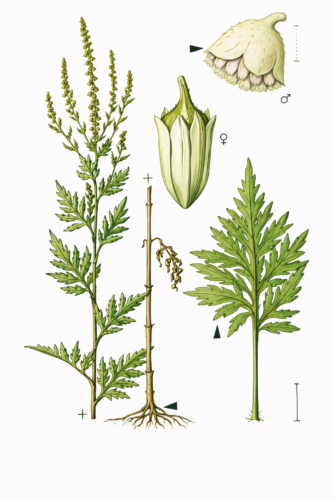
Ambrosia artemisiifolia ragweed
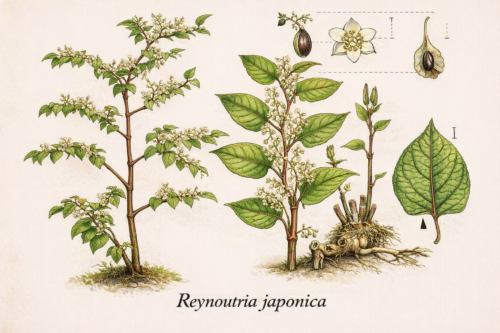
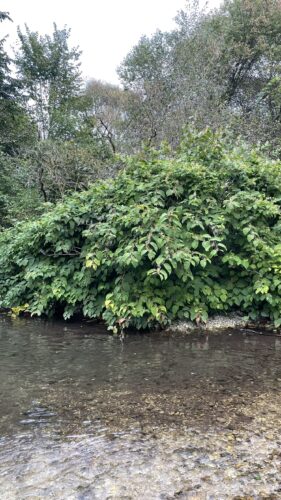
Fallopia sp. (syn. Reynoutria) genus: buckwheat (knotweed)
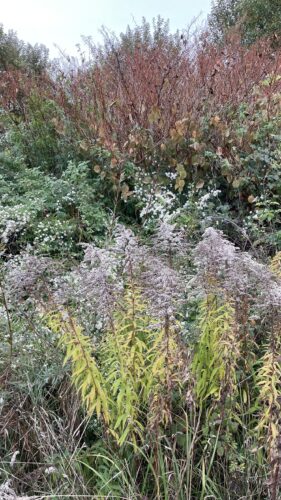
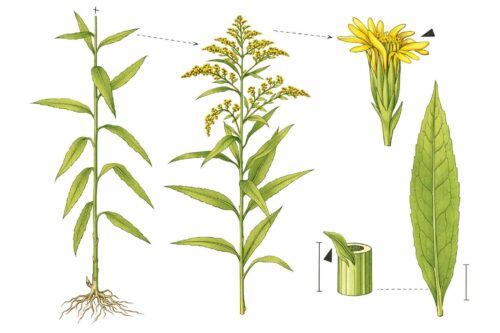
Solidago canadensis Canadian goldenrod
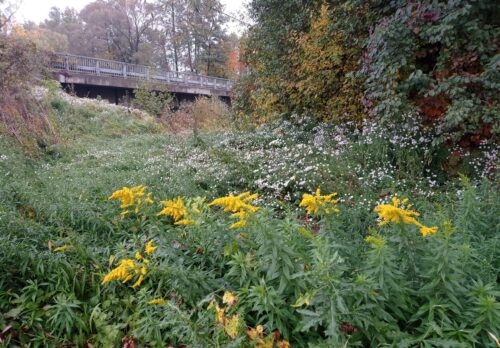
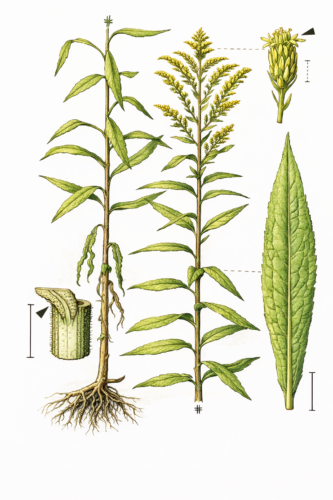
Solidago gigantea giant goldenrod
Invasive tree species of the Slovak Republic
Amorpha fruticosa shrubby shapeless
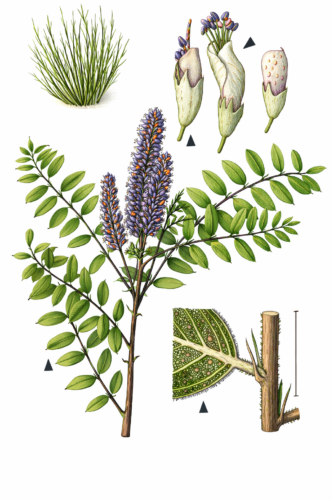
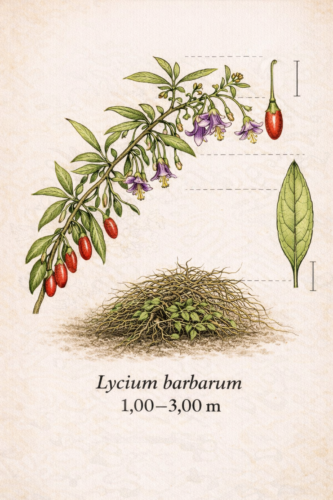
Lycium barbarum foreign wolfberry
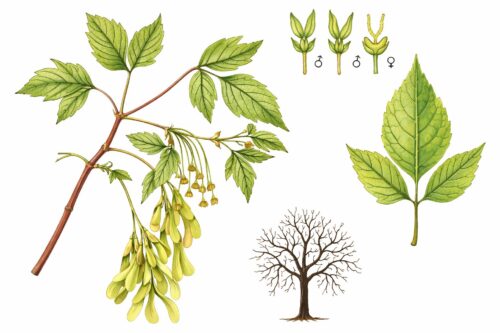
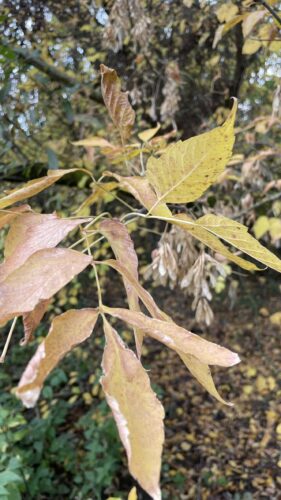
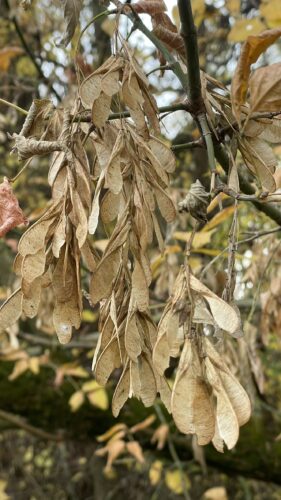
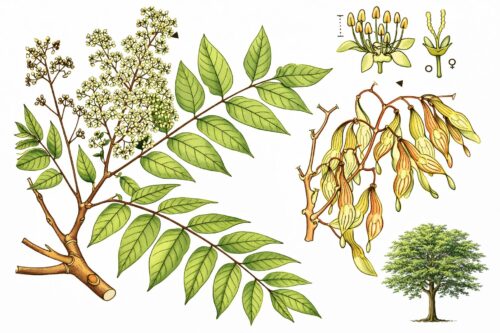
Negundo aceroides ash-leaved maple
They are bound by the provisions of Act No. 150/2019 Coll. on the prevention and management of the introduction and spread of invasive alien species and amendments to certain acts. It is forbidden to keep, transport, import, grow, reproduce, trade them.
The owner, administrator, user of the land is obliged to take care of the land so that there is no spread of these species on his land and in the event of the occurrence of invasive plant species, he is obliged to remove them.
Selection of invasive alien plant species of EU concern present in the area of competence of the NPVF:
Heracleum mantegazzianum giant hogweed
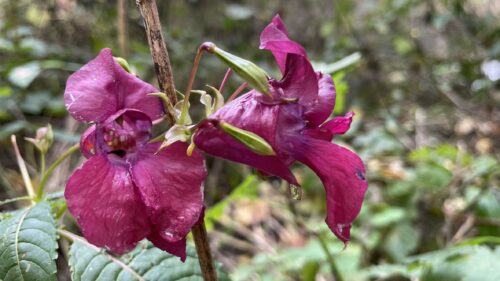
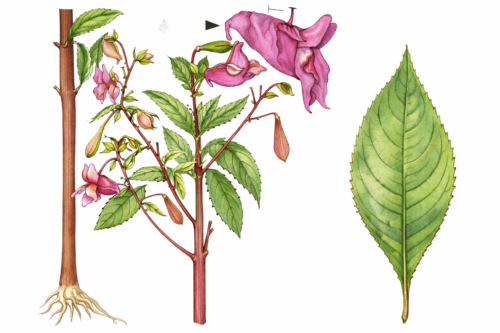
Non-native invasive plant species:
Aster lanceolatus lanceolate aster
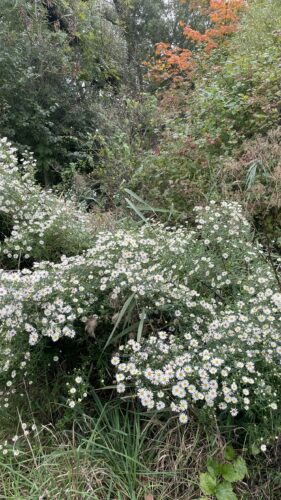
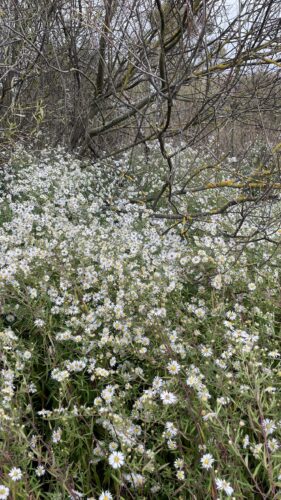
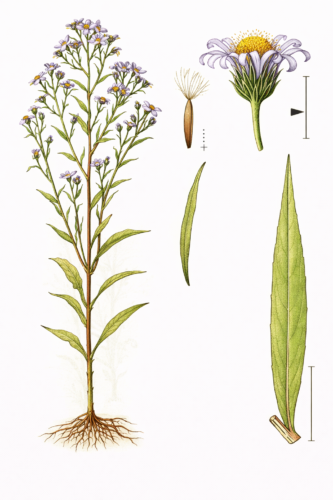
Aster novi-belgii aster new belgian
Bidens frondosa two-toothed deciduous
Bunias orientalis eastern oilseed
Conyza canadensis Canadian turanec
Echinocystis lobata lobata
Helianthus tuberosus tuberous sunflower (Jerusalem artichoke)
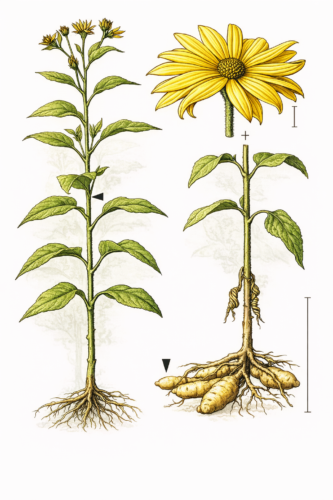
Impatiens parviflora small-flowered impatiens
Iva xanthiifolia iva aphid
Lupinus polyphyllus multifoliate lupine
Padus serotina čremcha late
Parthenocissus quinquefolia Five-Leaf Peacock
Rhus typhina sumach bat
Robinia pseudoacacia white acacia
Rudbeckia laciniata rudbeckia
Stenactis annua annual starfish
We encourage gardeners, growers, and gardeners to consider growing and supplying these types of plants.
More info can be found at: Introduction – Invasive species
Text, photo: Mgr. Barbora Kyzeková
