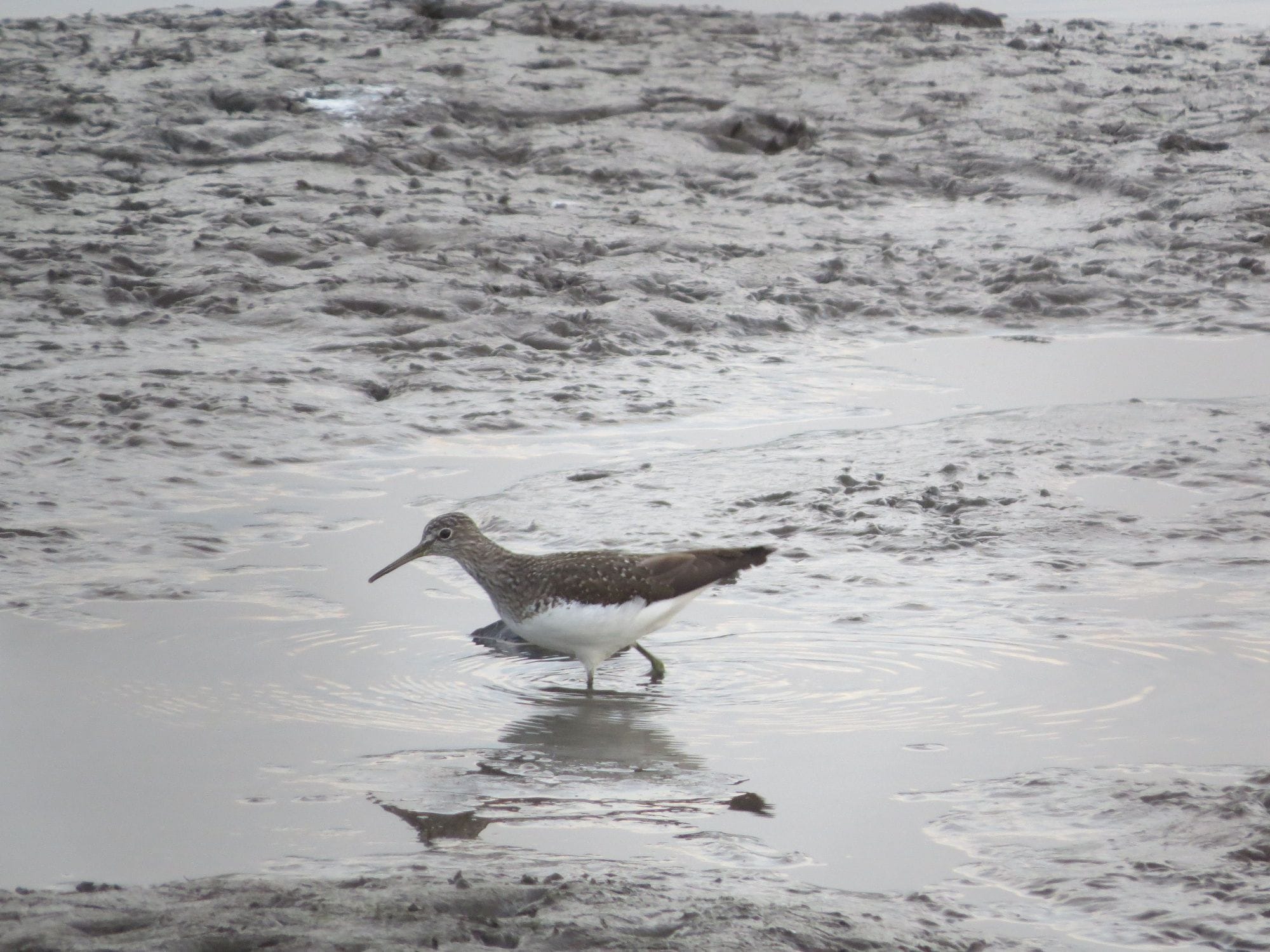
World Migratory Bird Day has been celebrated twice a year since 2006, on the second Saturday in May and October. Its aim is to raise public awareness of the need to protect migratory birds and their nesting sites.
Migratory bird species fly away for the winter to countries further south of us, often over long distances as far as southern Africa. The last migratory species fly away in November at the latest, the first in mid-August. The farther away from us the birds winter, the sooner they set out on their journey. Species that feed on flying insects or species that they cannot find in our country during the winter fly away. Species that feed on plant seeds, predators, owls, woodpeckers remain. Arrivals to our breeding sites are recorded from the end of February (e.g. crested owls and larks) to May (dark umbrellas).

“Since 2006, World Migratory Birds Day has been implemented on the basis of cooperation between two UN treaties – the Convention on the Conservation of Migratory Species of Wild Animals (CMS) and the Agreement on the Conservation of African-Eurasian Species of Migratory Birds (AEWA) in cooperation with the non-profit organization Environment for the Americas (EFTA).” (sopsr.sk)
Most migratory species arrive in April, most of them fly away in September. For northern species such as the northern finch or the crested finch, our territory is the one that provides them with shelter and the opportunity to survive the harsh northern winters. It doesn’t happen every year, it all depends on the weather.

While some migratory species move only within Europe to the Mediterranean or France, others travel thousands of kilometers to northern, central or southern Africa and Madagascar. Among predators, such a long route is completed by, for example, the lesser spotted eagle or storks. If you plan a vacation for the end of summer or the beginning of September in Greece, Spain or Turkey, you can observe the flight of thousands of birds to wintering sites in the resorts.

A long route will test their condition during seasonal removals. Not all birds survive this long pilgrimage. Along the way, they will face many pitfalls from the weather, human activities to natural predators or the risk of exhaustion. After their stay in wintering grounds, an equally dangerous and long journey back awaits them, after which comes the period of nesting and raising their young.
When moving, they are unmistakably guided to traditional migration routes, some species make their journey easier with special flight formations, where a strong and experienced individual leads the rest of the flock, weaker and younger birds save energy by flying in the “sling” of their species. Some species take advantage of warm currents, with which they rise to heights and move further by sailing, others fly in the lee of mountain ridges or over large rivers. Due to their size, they perform incredibly well and cover long distances.

This year’s theme is “Water: Keeping Birds Alive,” which highlights the impact of the growing water crisis on migratory birds.
“Water is the basis for sustaining life on our planet. Migratory birds rely on water and its associated habitats—lakes, rivers, streams, ponds, swamps, wetlands—for breeding, resting, refueling during migration, and wintering. Nevertheless, people’s growing demand for water, along with climate change, pollution, and other factors, threaten these precious aquatic ecosystems. Over the past 50 years, 35 percent of the world’s wetlands, which are critical for migratory birds, have been lost.” (worldmigratorybirdday.org)
Therefore, let’s be responsible and realize that not only people need water for their lives.

Text and photos – Ing. Mária Apfelová