Most plants cannot pollinate themselves, they need animals, wind or water to pollinate and produce seeds. Did you know that in the world, in addition to insects, pollinators include several small animals such as bats, various species of birds, lizards, even monkeys, rodents or squirrels? In countries where there is already a shortage of pollinators, it must be pollinated by hand.
Bees are among the most diligent pollinators. Most plants are pollinated by about 30 thousand different species of bees. Bees are considered the most hardworking creatures. For 1 kilogram of honey, they have to visit up to several million flowers and are able to fly up to 6 km from the hive. The fact that they are diligent is also evidenced by the fact that they work from about four in the morning to five in the afternoon.


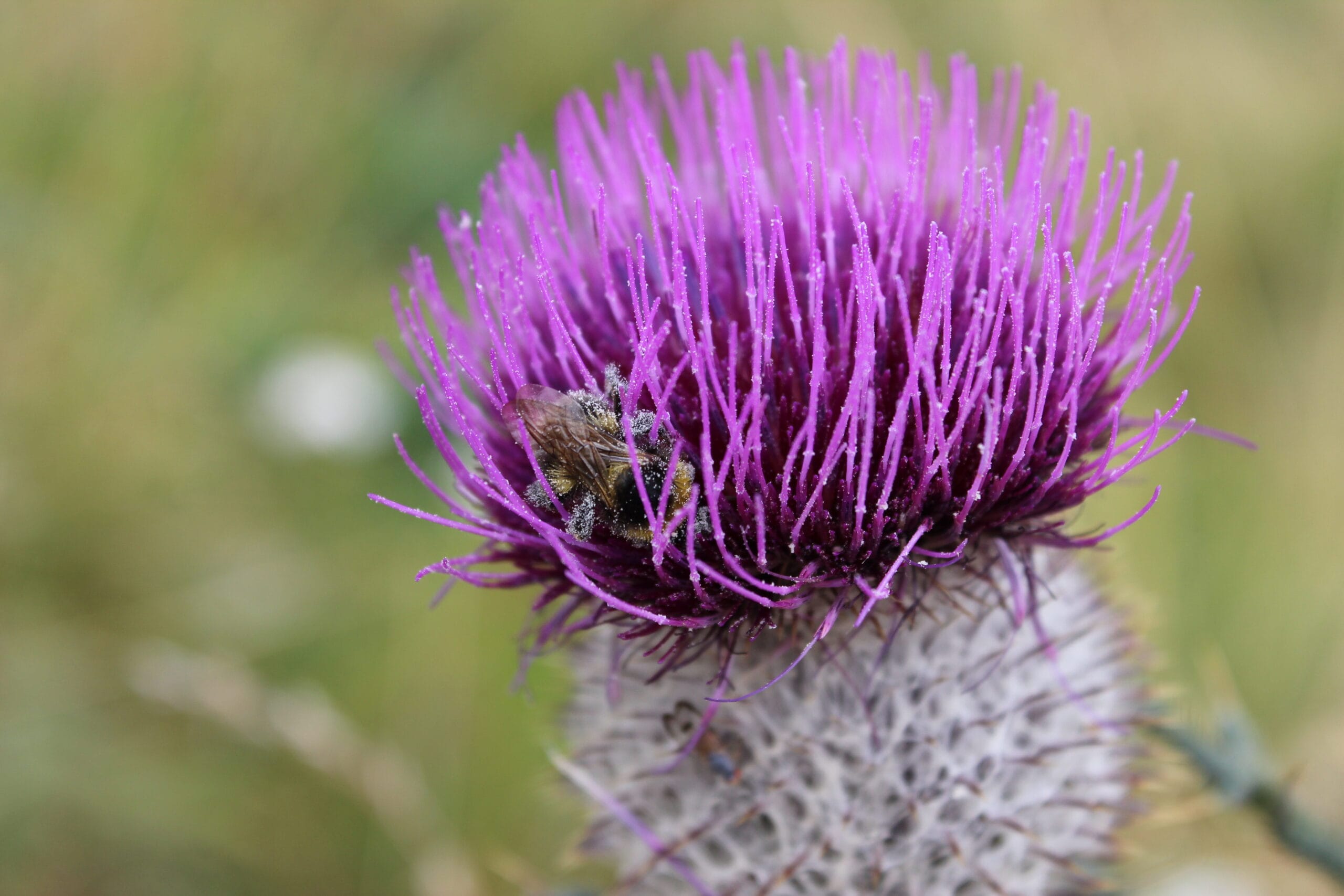
3/4 of our flowering plants are pollinated by insects. Most of the species involved in pollination are wild pollinators – hundreds of species of solitary bees, wasps, hornets, hoverflies, butterflies, beetles, thrips. Important representatives of pollinators are bumblebees. They also pollinate in rainy weather or during frosty spring days, when the air temperature is around zero, because it can heat its body to a high temperature by moving its muscles.
It is estimated that about 5 to 8 percent of the world’s current crop production is directly related to pollination by small animals. According to available sources, 84% of crop species and 78% of wild flower species depend on animal pollination. Without pollination, they cannot form seeds. Pollination by insects or small animals also contributes to the diversity and better quality of fruit, vegetables, nuts and seeds. Crops that are almost dependent on insect pollination include, for example, apples, strawberries, apricots, cherries, pumpkins, cucumbers, beans, thyme, basil, chamomile. They are also useful for peppers, tomatoes and citrus fruits.


Domesticated and wild pollinators are important for food security, biodiversity and also contribute to the production of textile fibres, medicines, biofuels and wood.
Bees, but also other pollinators, are very important for our ecosystems. Their decline will cause the extinction of some plant species along with the animals that feed on the plants. Therefore, the production of our food depends to a large extent on them. The abundance of many pollinator species has been declining significantly in recent decades, as confirmed by several studies across different groups of insects (butterflies, bumblebees, bees, beetles). They are threatened by land use change, agricultural intensification, the use of large amounts of pesticides, herbicides, monoculture crop cultivation, and the disappearance of suitable habitats.
Pollinators are of great importance for the agricultural production of important crops (e.g. fruits, vegetables, nuts, seeds, oilseeds), more than a third of all crops produced are dependent on pollinators. Therefore, the decline in pollinator abundance directly threatens their production.


We can help pollinators by producing or distributing so-called “insect houses”, by planting flowering nectar-bearing plants on our balconies or gardens. A simple watering can also be made with water and moist soil. It is important to limit the use of pesticides that complicate or make it impossible for pollinators to survive. If you consider it necessary to use insecticides, use them only after dark and always according to the instructions. There is a lot of literature available where we can find out which types of plants bloom and at what time and give pollinators enough food throughout the season. It is enough to plant a melliferous herb such as mint, lavender or rosemary in a pot on the balcony. If you are not interested in creating a space with flowering plants for pollinators, at least try to consider mowing already existing stands after the plants have flowered.
Text: Mgr. S. Pekárová, Mgr. Z. Balanac, Ing. M. Siránová
Photo: archive of S-NPVF